The rondo, or rondò in Italian and rondeau in French, is a musical composition where there is a recurring phrase (A), the refrain, very easy to remember, usually light and cheerful, alternated with several new phrases (B,C, etc), with diffferent character and mood. The structure of the rondo would then be A-B-A-C-A-D-A.
Probably thanks to its simplicity, from the 17th century the Rondo became extremely popular all over Europe and nearly all composers wrote some, either as single works or part of a larger composition. An example of rondò is the third movement of
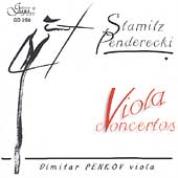
Stamitz's Viola concerto
(click con the link to read more about the whole concerto) which you can listen to in this video.
The Rondo from Stamitz viola concerto
Here you can clearly see this form applied in a work and recognise the various parts. It is very simple indeed, you could learn it immediately and sing it along with them!
The solo viola introduces the A phrase, immediately repeated then by the whole orchestra. After this, the solo viola plays the B phrase, accompanied softly by the orchestra. Then you have the A phrase coming again, played exactly in the same way like at the beginning. Then in this movement the solo viola plays two more phrases, C and D, always alternated with the A phrase which concludes the movement as it started it. Click on the picture if you wish to listen to the other movements and get some free Mp3 files.
Another viola Rondo
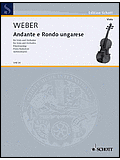
Another examples of viola composition with a Rondo is by Carl Maria von Weber, the Andante and Rondo Ungarese (it can be found also written as Ongarese or Ungherese or Hungarian).Watch this video of Weber's Rondo performed live by Yuri Bashmet
Hungarian Rondo by Weber
Now that you've heard it, if you fancy playing it, here you can find the viola and piano reduction as well as the full score and orchestral parts of Weber's Andante and Rondo Ungarese
Enjoy this page? Please pay it forward. Here's how...
Would you prefer to share this page with others by linking to it?
Click on the HTML link code below.
Copy and paste it, adding a note of your own, into your blog, a Web page, forums, a blog comment,
your Facebook account, or anywhere that someone would find this page valuable.
Find what you are looking for, use this search box