
Viola Concertos from A to Z
or the Concerto form and the viola
Buy Viola in Music's Collection of
13 famous tunes
Read more
Viola concertos? This is something unheard of to most people and even music lovers, unless they play the viola but, even in this case, few players know many of them. Yet, there are more than expected. Let's see what we can find out about the viola.
Origins of the Concerto
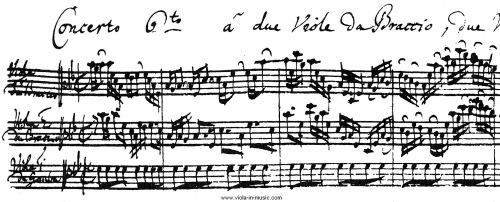
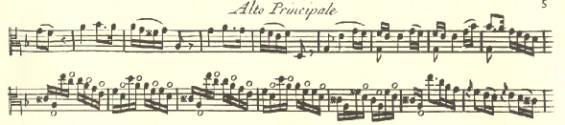
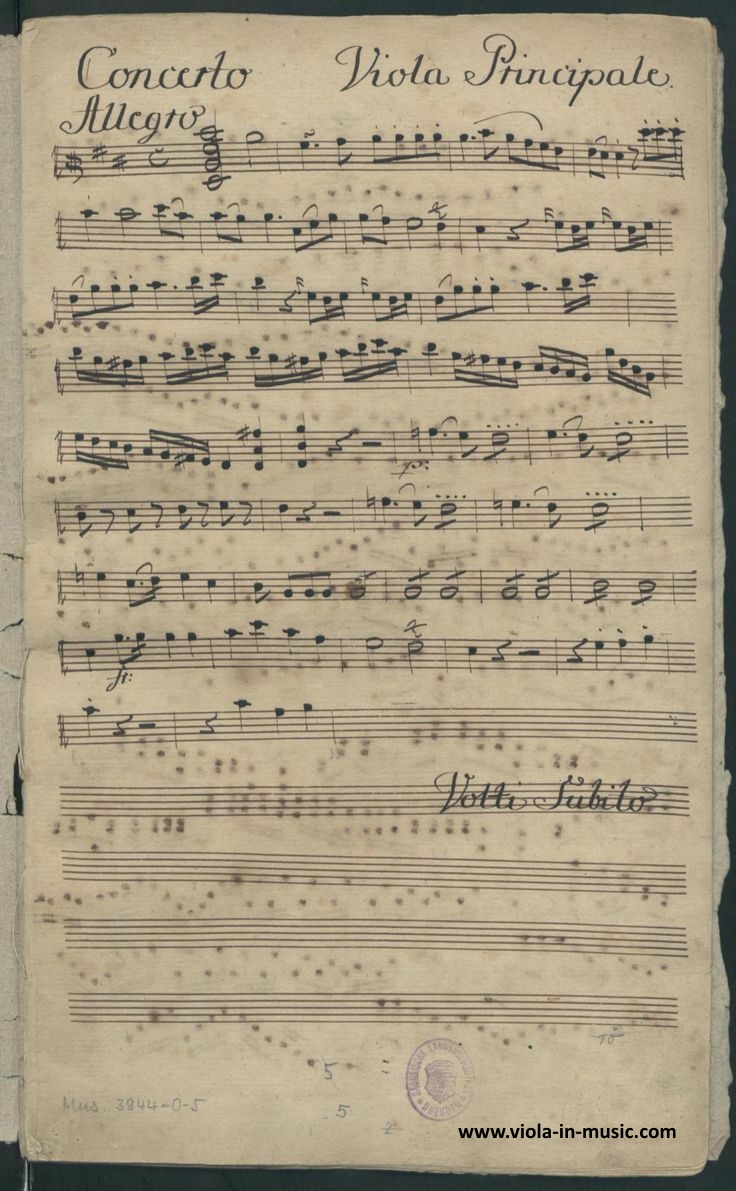 Manuscript of the first page of the Viola concerto in D major by Franz Anton Hoffmeister. He was also a publisher and friend of Mozart and Beethoven
The origin of the Italian word concerto is not certain,
apparently it
means to contend, dispute, fight and also work together.
Over the centuries, the term concerto has changed its meaning, indicating slightly different forms.
At the beginning, in the 16th century, it was used for a group of voices, in fact the word concerto was used for the first time in 1519 in Rome, Italy, to refer to an ensemble of voices getting together with music.
The first publication with this name of works for voices and instruments is by the Venetians Andrea and Giovanni Gabrieli, a collection of Concerti, dated 1587. Up to the first half of the 17th century, the term Concerti was used in Italy for vocal works accompanied by instruments, many publications appeared with this title. Initially also the word "sinfonia" was used instead of concerto.

Later, the word Concerto came to indicate a particular
musical
form, involving a larger group of performers forming a contrast
with a smaller group of players or a solo instrument player, or various
groups of players within the orchestra.
It was during this period (from mid 16th
century) that
the instruments
of the so-called violin family
(violin, viola, cello, double bass) were created and the most famous
makers,
such as Amati, Stradivari and Guarneri, lived. In many cases the
instruments
doubled the five-part voice
ensembles, with two violins, two
violas (alto and tenor) and bass. See also the history of the viola
for more on this.
Meanwhile, this Italian musical form became known in Germany, so in 1619 the first works with this name appeared, by Schutz.
The Instrumental Concerto
Towards the end of 1600 the instrumental concerto
started to appear.
This was generally a composition to be performed by a string orchestra.
Soon the composers started to write music exploiting the
differences in players' skills, alternating the whole ensemble (ripieno or filling) to a
smaller group of more skilled players (concertino).
This is the Concerto grosso.
From the beginning of the 18th century the
term concerto was used to indicate a composition
for one solo instrument
performing
with orchestral accompaniment. Initially it was in four movements
(slow, fast, slow, fast), then the Vivaldi-style, in three movements
(fast, slow, fast), prevailed.
Virtuoso violinists started to write concertos for
their own instrument, therefore we have many violin concertos as the
violin had become the most prominent instrument.
The classicism concerto form was very clearly defined,
similar to the sonata form:
- three movements: fast, slow, fast
- the first movement in the sonata form, in three parts with two themes: exposition of the first theme, modulating bridge, second theme; development of themes and other material; recapitulation of all themes and musical materials in the main key.
List of viola concertos
Here I'll list the more significant
works for viola with orchestra and those
that are available in
modern editions.
The list below already contains a quite large number of works but for those who want a complete list of (nearly) all works ever composed (even if never published), found, kept in libraries, out of print, they are in the catalogue "Literature für Viola" by Franz Zeyringer.
Of course, more and more concertos are being composed nowadays, so if you are a composer who wrote and published a concerto for viola or a player who knows about a published viola concerto and would like to see your viola concerto listed here, send me a message.
Click on the normal links in the following list if you want to buy the sheet music to play a concerto or click on the bold title to read more on that concerto.
Baroque Viola Concertos
With
the term Baroque, music historians refer to a period that roughly goes
from 1600 to 1750. The best known
Baroque composers were Bach, Haendel, Telemann, Vivaldi, Corelli.
There are not many concertos for viola in the Baroque era. However,
the first known viola concerto
is a Baroque one, by Georg Phillip
Telemann, read about it. Here they
are:
- Johann Sebastian Bach: Viola Concerto in E flat major (reconstructed from Cantatas BWV169, 49 and concerto BWV1053)
- Georg Phillipp Telemann: concerto for viola and strings in G major
- Johann Stamitz (Karl's father): viola concerto in D major
- Johann Gottlieb Graun: Concerto for viola and orchestra in E flat major
There are two more "Baroque concertos for viola" which were actually
written by the violist and composer Henry Casadesus at the end of the
19th century:
- Concerto in B Minor in the style of George Frederic Handel
- Concerto in C Minor in the style of Johann Christian Bach
Anyway, they are nice additions to the viola repertoire of this period.
Considering the broader, original meaning of the term concerto, we can include also works
featuring the viola in a solo (or
concertante) role with other
instruments. Such works are:
- Bach: Brandenburg Concerto n.3 in G major sheet music
- Bach: Brandenburg Concerto n.6 in E flat major, (two solo violas, with no violins at all) sheet music
- Telemann: Concerto for two violas G major
- Johann Gottlieb Graun: Concerto for violin, viola and strings in C minor
- Ignaz Jacob Holzbauer: Concerto for viola, cello and strings in E flat major
- Christoph Graupner: Concerto for viola, viola d'amore and strings
Classical Viola Concertos
Classicism is a musical period
quite well defined: conventionally it goes from about 1750 to mid 19th
century, including composers such as Haydn, Mozart, Beethoven, Rolla.
There are several
concertos for viola, although they are not
very well known. The most famous
classical concertos for viola and orchestra are:
- Karl Stamitz: concerto
in D major - sheet music
- Franz Anton Hoffmeister: concerto in D major
Other classical viola concertos available:
- Karl Stamitz composed at least two more concertos for viola: n.2 in Bb/A major (using a scordatura) and n.3 in A major
- Hoffmeister wrote also a concerto in B flat major
- Anton Stamitz (Karl's brother): 4 viola concertos: in B, in F, in G, in D major
- George (Georg Anton or Jiří Antonín) or Friedrich Wilhelm Heinrich Benda: Concerto in F major (+ three more manuscript)
- Franz Xaver Brixi: Konzert in C
- Giuseppe Maria Cambini: Concerto in D
- Bartolomeo Campagnoli: Romance
- Karl Ditters von Dittersdorf: Concerto for viola and orchestra in F major
- Georg Druschetsky: Concerto for viola and orchestra in F major
- Iwan Handoshkin: concerto in C major
- Roman Hoffstetter: 3 concertos: in C major, in E flat, in G major
- Johann Nepomuk Hummel: Potpourri (Phantasy) for viola and orchestra
- Ignaz Pleyel: 3 concertos
- Georg Druschetsky: Concerto for viola and orchestra in F major
- Alessandro Rolla:
composed at least 12 works for viola and orchestra, of which 9 are
concertos; Adagio e tema con variazioni is available
- Joseph Schubert: 2 concertos: in C major and in E flat major
- Johann Baptist Vanhal: 2 concertos: concerto in C major and in F major
- Karl Friederich Zelter: Concerto for viola and orchestra in E flat major
Here too, we consider the broader meaning of the term concerto and include other works
featuring the viola in a solo, concertante role with
orchestra.
Among these, there is one of the most wonderful works ever written: Mozart Sinfonia Concertante for violin,
viola and orchestra.
There are more:
- Karl Ditters von Dittersdorf: Concerto/Sinfonia Concertante for viola and double bass in D major
- Michael Haydn: Concerto for organ (harpsichord or piano), viola and orchestra in C major
- Ignaz Pleyel: Sinfonia Concertante for violin, viola and orchestra
- Alessandro Rolla: Adagio e tema con variazioni
- Karl Stamitz: Sinfonia Concertante for violin, viola and orchestra
- Antonio Rosetti: Concerto G major Murray for Viola and orchestra
- Anton Wranitzky: Concerto for 2 violas and orchestra in C major
- Karl Maria von Weber: Andante and Rondo ongarese; 6 Variations; Romance and Air from Der Freischutz
Romantic Viola Concertos
Romanticism
was a literary and artistic movement started in Germany and flourished
all over Europe from about 1820-30 for about a century. Musically, it
was characterized by the
rise of many virtuoso performers of nearly all instruments. The most
famous, the personification of all virtuosos was Nicolò
Paganini, maybe the most famous violin player, who played the viola
too.
Other virtuosos were performers such as Chopin, Liszt
for the piano, the double bass player Bottesini just to name a few.
From the Romantic era, there are no compositions that
can be called real concertos for viola and orchestra. in fact, the
violin was the undisputed protagonist of the musical scene, together
with the piano. However, there are some very good works with the viola
in a concertante role with orchestra.
- Hector Berlioz:
Harold in Italy, Symphony with solo viola
- Nicolò Paganini: Sonata for Grand'Viola and orchestra
- Alexander Borodin: Serenade in D
- Max Bruch: Romance (read) for viola and orchestra; Double concerto for viola, clarinet and orchestra
- Mikhail Glinka: Nocturne
- Karl Maria von Weber: Andante and Rondo ongarese
Modern Viola Concertos
(from 20th
century)
From the beginning of 20th century many composers start to
write more viola
compositiones including concertos, especially thanks to viola champions Lionel
Tertis
first and William Primrose later. Thanks to them the viola has become
accepted as a solo instrument at the same level of violin and cello
and now it's normal for composers to write concertos for viola.
The two most famous ones are:
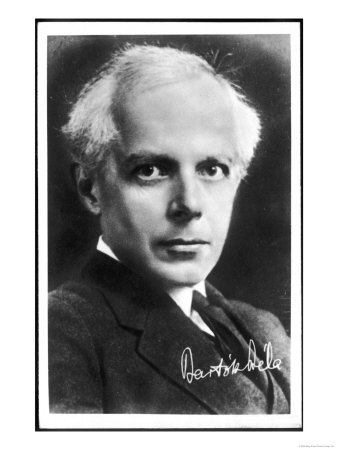
- Bela Bartok: concerto
concerto for viola and orchestra commissioned by
William Primrose sheet music
- William Walton: concerto for viola and orchestra composed for Lionel Tertis sheet music
followed by several more concertos:
- Samuel Adler: Viola Concerto
- Paul Angerer: 2 concertos; Musik
- Conrad Beck: Konzert
- Arthur Benjamin: Concerto: Elegia, Valzer, Toccata
- Ernest Bloch: Suite for viola and piano (or orchestra)
- York Bowen: Concerto sheet music
- Richard Eugéne Bozza: Concertino
- Leonardo Cardenas: Transfiguraciones
- Neria Cepaite Viola Concerto
- Diego Conti: Dialogues for viola and orchestra
- Dello Joio: Lyric Suite
- Houston Dunleavy: Concerto for Viola and Winds
- Houston Dunleavy: Concerto for Viola, Strings,
Percussion and Piano
- Edward Elgar: Concerto (transcribed from cello concerto by L. Tertis, approved by Elgar)
- George Enesco: Concertpiece for viola and piano
- Cecil Forsyth: Concerto in g
- Giorgio Federico Ghedini: Concerto
- Mark Gresham: 3 Essays for Viola and String Orchestra
- Stanley Grill: 4 Elements for Viola and String Orchestra
- Amanda Harberg: Viola Concerto
- J Harbison: Concerto for viola and orchestra
- Paul Hindemith: Kammermusik n.5; Konzertmusik op.48; Der Schwanendreher
- Alan Hovaness: Talin Concerto
- Gordon Jacob: Viola concerto n.1 Concerto n.2 for viola and string orchestra
- Trent Johnson: Viola concerto
- Joke Kegel: “Sedimentations” for Viola, Marimba and Chamber Ensemble
- Gyorgy Kurtag: Konzert
- Lars Erik Larsson: Concertino
- Frank Ezra Levy: Viola Concerto
- Frank Lewin: Concerto Armonico
- Jose Lezcano: Viola Concerto
- Frank Martin: Ballade
- Bohuslav Martinu: Rhapsody-Concerto
- Darius Milhaud: 2 Concerts
- Paul Muller-Zurich: Concerto in f-Moll op. 24, for viola & small orchestra
- Charles Nichols: “Nicolo, Jimi, John” A Concerto for Viola and Orchestrs
- Krzystof Penderecki: Concerto
- Walter Piston: Concerto
- Liduino Pitombeira: Concerto for Viola and Orchestra
- Quincy Porter: Konzert
- Jean Rivier: Concertino
- Miklos Rozsa: Violakonzert CD
- Edmund Rubbra: Concerto
- Andrew Rudin: Viola Concerto
- Alfred Schnittke: Viola concerto
- Anna Shkolnikova: Concerto for Viola and Strings
- Tibos Serly: Concerto; Rhapsody CD
- Martin Vitous: Viola Concerto
- John Williams: Concerto for Viola and orchestra (solo viola with piano reduction)
- Gregg Wramage: Chamber Concerto
Walton viola concerto, first movement
Performed by William
Primrose, conducted by William Walton
Other works with
the viola in a concertante role
with orchestra:
- Samuel Adler: Double Concerto
- Arnold Bax: Phantasy
- Arthur Benjamin: Romantic phantasy
- Ernest Bloch: Suite hébraique; Suite; Concertino for viola, flute & string orchestra
- Benjamin Britten: Lachrymae
- Benjamin Britten: Double Concerto for Violin, Viola and orchestra (piano reduction)
- Benjamin Dale: Romance and finale
- Cecil Forsyth: Chanson celtique
- Sofia Gubaidulina: Two Paths - Concerto for Two Violas
and Orchestra
- Paul Hindemith: Trauermusik description
- Gustav Holst: Lyric movement, with small orchestra
- Arthur Honegger: Praeludium, Arioso & Fughetta on the name Bach
- Frank Ezra Levy: To Peace With Love (Fantasia Concertante for clarinet, viola & double choir)
- Jose Lezcano: Double Concerto
- Gian Francesco Malipiero: Dialog n.5 quasi concerto
- Riccardo Malipiero: Canti
- Bohuslav Martinu: Nocturne
- Virgilio Mortari: Concerto dell'osservanza
- Frederick J. Muller: Viola caprice
- Lalo Schifrin: Triple Concerto
- Ralph Vaughan-Williams: Suite for viola and orchestra; Flos campi, for solo viola, chorus, orchestra
- Hugo Wolf: Italian Serenade, for orchestra with solo viola


Play easily without pain &
nerves
Related pages
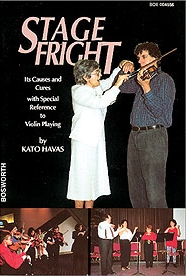 Read the book "Stage fright - Causes and cures", by Kato Havas, and play freely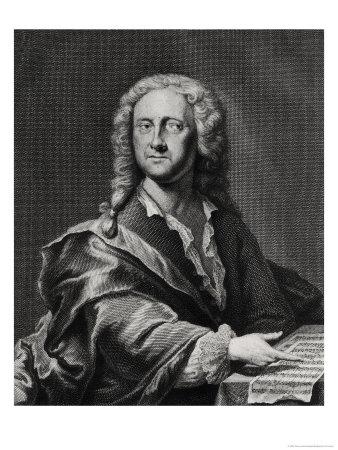
Telemann
composed the first viola concerto
Bach's Brandenburg Concerto 6 for 2 solo violas
Play-along accompanied by your own orchestra
Concerto recordings without the soloist
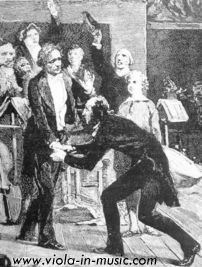
Paganini kisses Berlioz’s hands after hearing
Harold in Italy, Symphony with solo viola,
originally composed for him
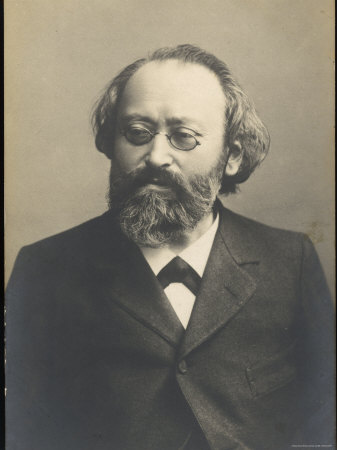
Bruch's really unique
viola & clarinet concerto
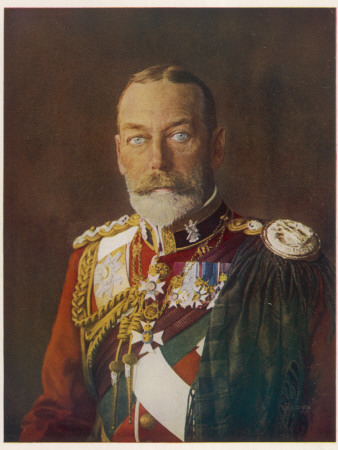
Trauermusik by Hindemith
Viola solo for a king
Buy Viola in Music's Collection of 13 famous tunes (19 pages)
£7.99 and download them instantly
They are in their original keys, so you can play them in sessions with other instruments
Jesu, joy of man's desiring
Michael Turner’s waltz (2 versions)
The
greenwood tree
The south wind
Fanny Power
Ye banks and braes
Skye boat song
My Bonnie
My love is
like a red, red rose
Sportsman’s hornpipe
The road to Lisdoonvarna
Danny Boy (Londonderry Air)
Iron legs

Do you like
Viola in Music?
Support it by buying sheet music here

Download Sheet Music
|


New! Comments
Have your say about what you just read! Leave me a comment in the box below.