
The Viola Clef

Buy Viola in Music's Collection of
13 famous tunes
Read more
The viola clef is different from the very familiar treble clef, used for violin and most other high pitched instruments and voices, and from the bass clef, used for low pitched instruments and voices.
Music for viola is written in what is called "C clef", which means that it indicates the position of the note C on the pentagram (five lines).
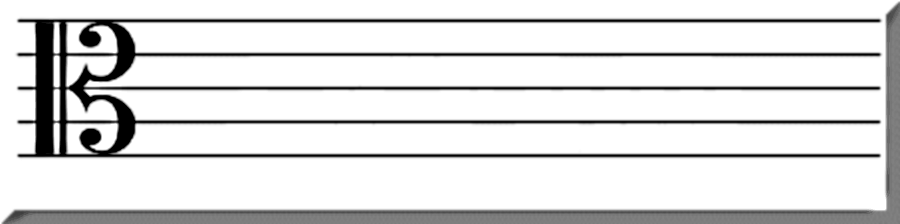
In the viola case, the C is on the central line, a beautifully symmetrical position. The C clef may be placed on any of the lines and in the past it was used this way for the different singers' voices. The viola clef is a C clef placed right in the middle of the stave and was used for alto singers too, so its name is actually "alto clef".
Origin
The graphics itself originated from the letter C which in ancient times used to be written with a lot of curls typical of Italian handwriting style and that later has become what it is now.
The same thing is true for the other more famous clef,

the treble clef, or G clef, which is very familiar to everybody,

and the bass clef, or F clef.
2013: The Year of the Viola
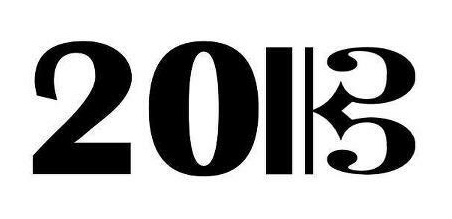
The alto clef seems very suited to nominate the 2013: the year of the viola, so, happy year 2013 to all viola lovers, players, enthusiasts!

Go back from Viola clef to Differences between violin and viola
Tweets by @MonicaCuneViola



Play easily without pain &
nerves
Related pages
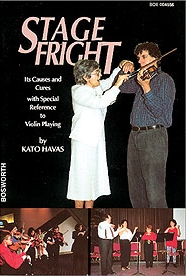 Read the book "Stage fright - Causes and cures", by Kato Havas, and play freely
Buy Viola in Music's Collection of 13 famous tunes (19 pages)
£7.99 and download them instantly
They are in their original keys, so you can play them in sessions with other instruments
Jesu, joy of man's desiring
Michael Turner’s waltz (2 versions)
The
greenwood tree
The south wind
Fanny Power
Ye banks and braes
Skye boat song
My Bonnie
My love is
like a red, red rose
Sportsman’s hornpipe
The road to Lisdoonvarna
Danny Boy (Londonderry Air)
Iron legs

Do you like
Viola in Music?
Support it by buying sheet music here

Download Sheet Music
|


New! Comments
Have your say about what you just read! Leave me a comment in the box below.