Brandenburg Concerto 6
and the viola(s)
Buy Viola in Music's Collection of
13 famous tunes
Read more
Bach’s Brandenburg Concerto 6 is the least known and most rarely performed of the six Brandenburg Concertos and not because is not a masterwork, but because of the unusual combination of instruments used in it.
Of course is one of my favourite, together with the Brandenburg Concerto 3 because violas play the most important part.
Instruments used in the
Brandenburg Concerto 6
Each Brandenburg Concerto has a different group of instruments performing, but the Sixth Concerto has the most unusual one: there are no violins at all, but two violas, two viola da gamba, cello, violone and harpsichord.
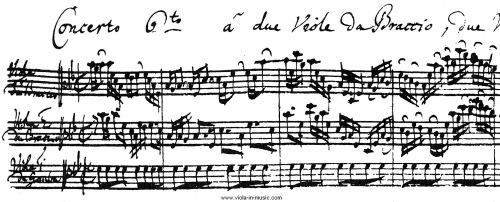
Because of the presence of the two gambas, it’s not that easy to fit this concerto in a performance given by a usual string orchestra. Until the second half of the last century it was common to replace the two gambas with cellos but the concerto loses that special sonority.
The two violas are the two soloists but not quite so, because the cello often joins them, forming a trio, especially in the third movement.
Listen here to Nicholaus Harnoncourt talking about the Brandenburg Concerto n.6, the violas' role and Bach's love for the viola, that in his opinion he must have played in this concerto. Contrary to what music scholars think about this concerto as being "old fashioned" because of the use of gambas (no violins here), Harnoncourt says that it was revolutionary that Bach gave the two violas the solo role, whereas the gambas used to be the solos, considered the "aristocratic" instrument.
Movements
The Brandenburg Concerto 6 is in three movements: [Allegro] (although this is not specified), Adagio ma non tanto, Allegro.
Click on the videos below to listen while you read.
First movement
At the opening of this concerto the two violas start playing the same brisk rhythmic theme one immediately after the other (canon), accompanied by gambas, cello and continuo all playing repeated notes and giving a sense of pressing pace. This is relaxed a bit later in a calmer, more melodic dialogue that starts between all the instruments.
The whole first movement is played alternating these two musical "moods" and fragments of them, with the two violas most often playing in canon and the other instruments joining them in turn or accompanying, going through many keys in a never-ending way that is always new. This is what I like of Bach’s music, it always seems to get to an end and then starts with a new direction, it could go on forever, I’d never get bored. Bach’s mastery is in combining this material to make it fresh and lively all the time.
Second movement
The second movement of Brandenburg Concerto 6 is like a duo, with reduced forces like in most other concertos, so without the gambas. The second viola starts at the opening and then the two violas pass the theme each other, with the cello and continuo accompanying and sometimes playing part of the theme. I love this movement, to me it sounds like dreaming, with these parts behaving, as Bach used to remind his pupils about composing, "like persons who conversed together as if in a select company".
The ending leaves a feeling of suspension that leads to the third movement.
Third movement
This is, again, a very energetic one. Initially the two violas play together, in a lively dancing rhythm, TA-RA-TA, TA-RA-TA etc. Then the writing becomes faster, with the two violas chasing each other, giving and taking fragments of scales and parts of the initial theme, soon joined by the cello taking the same musical ideas in this quite virtuosic run. Then after the repetition of the initial phrase, there is a new virtuosic episode between the two violas accompanied only by cello and bass (no gambas) followed by the cello showing off again its fast passage played earlier while the violas have a more melodic, sweet dialogue.
Eventually the whole orchestra plays a ritornello, a complete repetition of the first 45 bars, thus completing the A-B-A structure of this beautifully joyful movement.
The Brandenburg Concerto 6 is the perfect conclusion to a set of concertos that have justly become Bach's most popular compositions thanks to the variety of musical imagination shown by Bach in the choice of instruments and musical ideas as well.
|


If you wish to perform it, click on the link to see a large choice of printed sheet music, score and parts.
Go from Brandenburg Concerto 6 to Biography of Johann Sebastian Bach

Tweets by @MonicaCuneViola





Play easily without pain &
nerves
Related pages
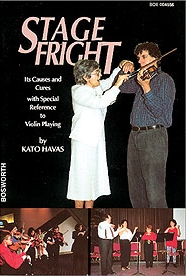 Read the book "Stage fright - Causes and cures", by Kato Havas, and play freely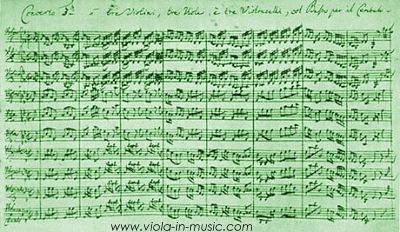
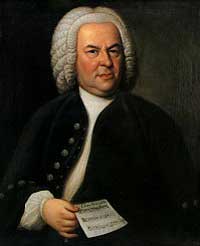
Johann Sebastian Bach
loved and played the viola
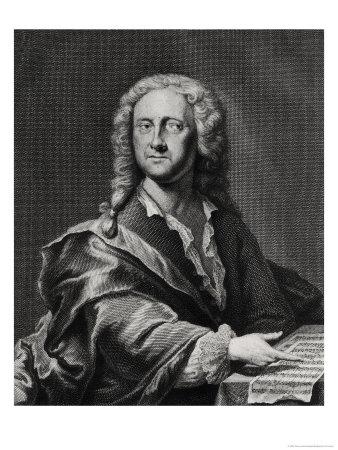 Portrait of Georg Philipp Telemann, composer of the first ever viola concerto
Georg Philipp Telemann's:
first ever viola concerto
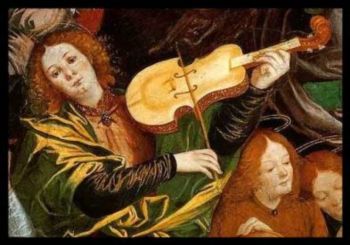
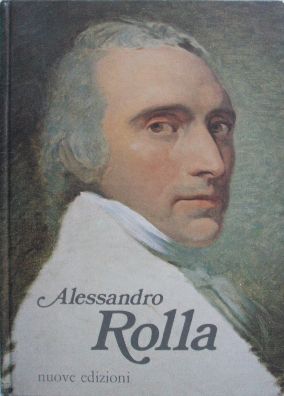
Alessandro Rolla
virtuoso viola player & composer, one of Paganini's teachers
Buy Viola in Music's Collection of 13 famous tunes (19 pages)
£7.99 and download them instantly
They are in their original keys, so you can play them in sessions with other instruments
Jesu, joy of man's desiring
Michael Turner’s waltz (2 versions)
The
greenwood tree
The south wind
Fanny Power
Ye banks and braes
Skye boat song
My Bonnie
My love is
like a red, red rose
Sportsman’s hornpipe
The road to Lisdoonvarna
Danny Boy (Londonderry Air)
Iron legs

Do you like
Viola in Music?
Support it by buying sheet music here

Download Sheet Music
|



New! Comments
Have your say about what you just read! Leave me a comment in the box below.