
The Cadenza
and the Viola

Buy Viola in Music's Collection of
13 famous tunes
Read more
The cadenza is a more or less virtuoso passage performed near the end of a concerto movement or aria, usually improvised by the performer, sometimes written out.
The composer, who was always also a performers (like Corelli, Vivaldi, Bach, Beethoven, Mozart, Paganini and many more), used to leave the soloist (himself) some space for the free improvisation after playing within a group, to show even more of his personality and technical and musical abilities.
Therefore, at the end of one or more movements, before the main theme comes back again, they used to write only one long note and often the indication Cadenza.
Some composers later wrote cadenzas for other famous composers' works (for example, Beethoven for Mozart's piano concertos). This tradition continued until the beginning of the 20th century and therefore for most of concertos we don't have original cadenzas written by the concertos composers.
An important exception is in Mozart's Sinfonia Concertante for violin, viola and orchestra. Perhaps it would have been a bit more difficult for two soloists to improvise together, (although they used to be very skilful in these things at that time, a bit like jazz players now), or for whatever other reason, anyway Mozart wrote not one, but two cadenzas for his Sinfonia Concertante: one for the first and one for the second movement.
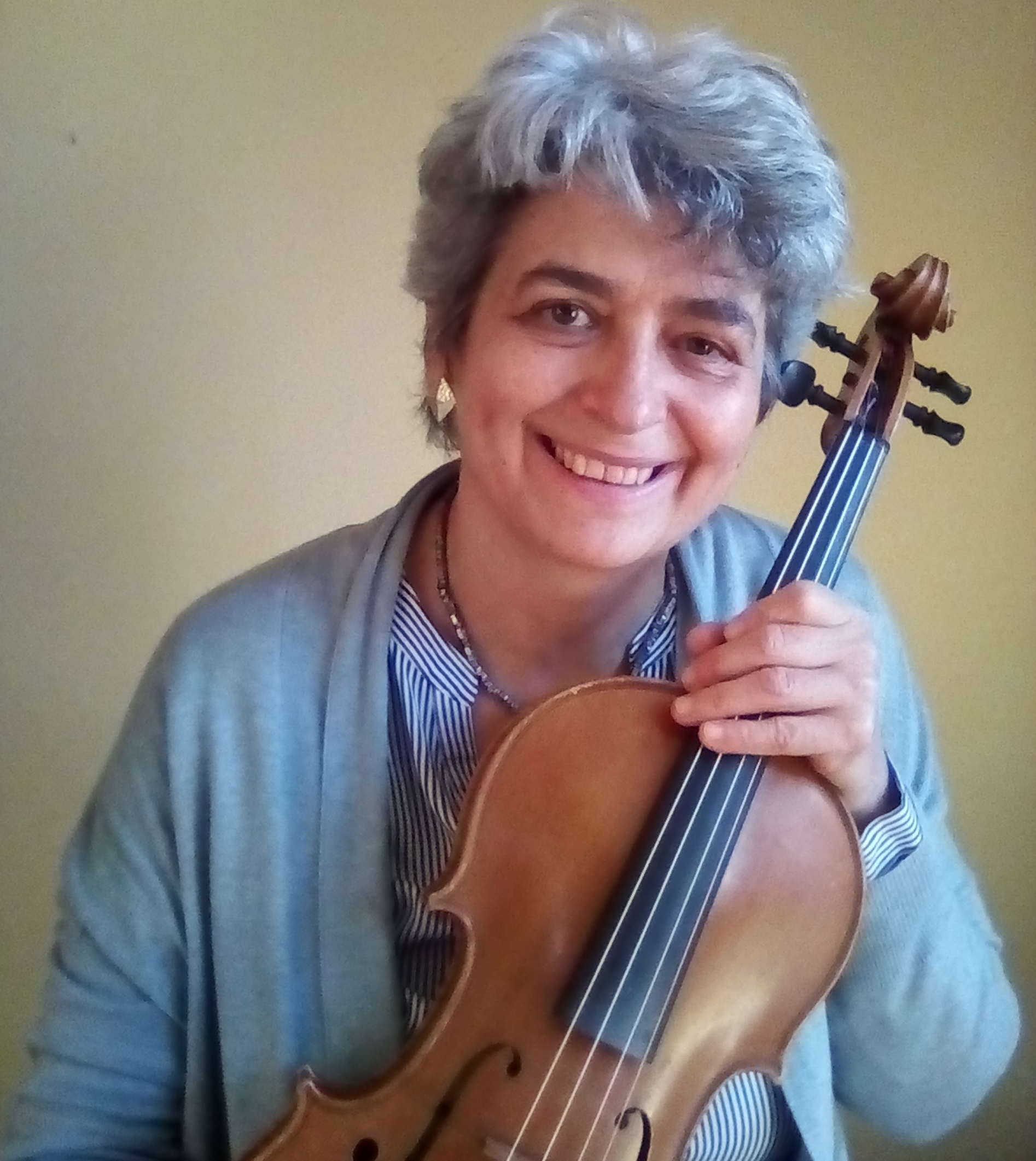
They are interesting because they give us a hint on how Wolfgang himself might have played a cadenza. Watch this video with the first movement cadenza played by myself on the viola.
Cadenza from Mozart's Sinfonia Concertante
for violin viola and orchestra
In the 20th century performers most often used to play cadenzas written by previous virtuoso players-performers, but more recently some have started again to play their own ones.
Unfortunately, we cannot know how, for example, Paganini played his own cadenzas, although he was famous for his improvisations and unusual effects.
An unusual example
However, in this video you can see to what extent a performer can get in his own improvisations, if he wishes. After all, that was the intention. It is played on the violin by Gilles Apap for the third movement of Mozart's 3rd violin concerto in G major.
He's clearly having fun with it, I wish you to enjoy it.
Of course, there have been different, very contrasting reactions to this performance and I'm sure you'll have your own opinion...
Mozart's 3rd violin concerto in G major
Cadenzas for viola
In case you wonder how the cadenza relates to the not so rare viola concertos, luckily, there are several cadenzas that have been composed for them. There is even a cadenza that is a composition with its own life, not connected to any other work. See here a list of them with links for those who'd like to buy and perform them.
Here's my favourite book of cadenzas to viola concertos, by Maestro Michael Kugel. You'll find cadenzas for J. C. Bach, Hoffmeister, Stamitz, Khandoshkin, Pleyel, Rolla, Paganini concertos.
 look inside
|
Cadenzas to Viola Concerti by Stamitz, Zelter, and Hoffmeister Composed by Franz Beyer. For Viola. Sheet Music. Published by Edition Kunzelmann (PE.GM0022). |
 look inside
|
Cadenza (for Solo Viola). Composed by Krzysztof Penderecki (1933-). For Viola. Viola-Bibliothek (Viola Library). 8 pages. Schott Music #VAB52. Published by Schott Music (HL.49012274). |
 look inside
|
Concerto Cadenzas - Concerto in D (Hoffmeister) Composed by Paul Doktor. For viola. Published by Anglo-American Imports (WW.A01233). |
Go back from Cadenza to Glossary of music terminology

Tweets by @MonicaCuneViola


Play easily without pain &
nerves
Related pages
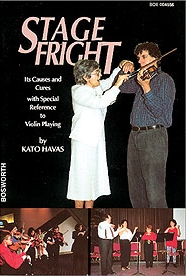 Read the book "Stage fright - Causes and cures", by Kato Havas, and play freely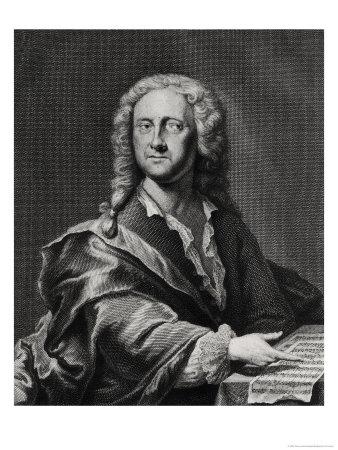
Georg Philipp Telemann, composer of the first Viola Concerto
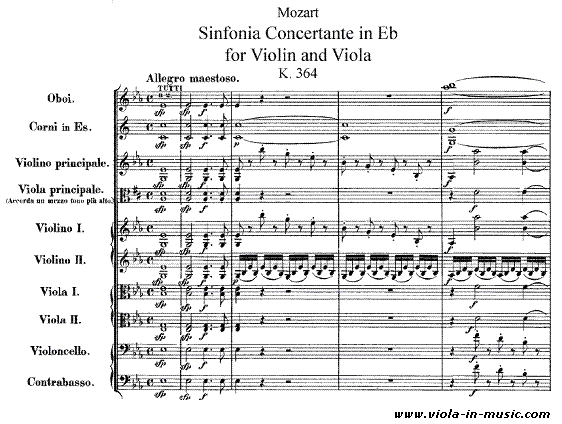
Mozart Sinfonia Concertante for violin, viola and orchestra
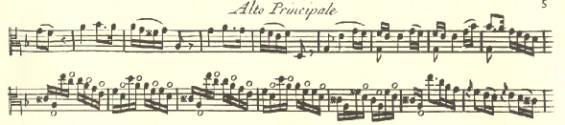
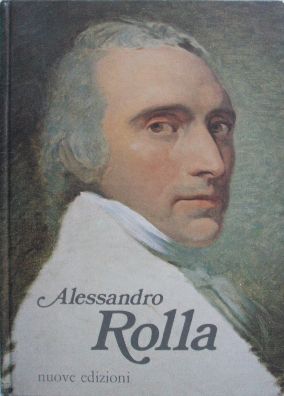
Alessandro Rolla
Viola virtuoso and composer
Buy Viola in Music's Collection of 13 famous tunes (19 pages)
£7.99 and download them instantly
They are in their original keys, so you can play them in sessions with other instruments
Jesu, joy of man's desiring
Michael Turner’s waltz (2 versions)
The
greenwood tree
The south wind
Fanny Power
Ye banks and braes
Skye boat song
My Bonnie
My love is
like a red, red rose
Sportsman’s hornpipe
The road to Lisdoonvarna
Danny Boy (Londonderry Air)
Iron legs

Do you like
Viola in Music?
Support it by buying sheet music here

Download Sheet Music
|


New! Comments
Have your say about what you just read! Leave me a comment in the box below.