
The Sinfonia Concertante
and the viola

Buy Viola in Music's Collection of
13 famous tunes
Read more
Have you ever seen the term sinfonia concertante, or symphonie concertante, and wondered what kind of composition it was? You maybe tried to guess it, by combining the two words, sinfonia and concerto, and this is what I did when I first came across one of these compositions.
Indeed, it indicates a type of composition for solo instruments and orchestra. It means symphony with important solo parts, but it’s more a concerto than a symphony.
The number of solo instruments could be from two up to nine. Initially they were mostly violins, then other string, wind and keyboard instruments were added.

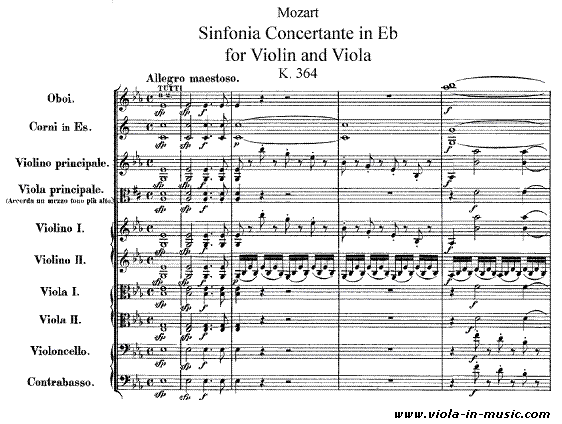
Some of the most beautiful music: Mozart Sinfonia Concertante for violin and viola (which he played) with orchestra. And the cadenzas are original. Listen and watch videos
The term and the genre was much in vogue between 1770 and 1830, for about two decades especially in Mannheim and Paris, where most of them were published. Therefore the proper name should be the French one, symphonie concertante, although the Italian version is more common today. Indeed very few Italian composers wrote symphonie concertante.
During the baroque period composers wrote solo concertos for more than one instrument, calling them just concerto for two (or more) instruments.
Anyway, the definitions of musical forms over the different musical eras are often blurred, with forms overlapping and extending beyond the "defined" periods.
The symphonie concertante was written for performance in public concert halls by local virtuoso musicians to please the concert goers with their own and other composers’ pieces, brilliant, melodious and with a variety of instruments. It was a way for them to show their abilities, get more pupils, have more of their compositions published. With very few exceptions the symphonie concertante is in major key, its character is light, happy, entertaining, with melodic variety.
In a way it is similar to the concerto grosso, with the alternation between the soloists and the rest of the orchestra but in the sinfonia concertante the soloist have greater importance.
During the 1820s and 1830s the symphonie concertante became less and less popular. Important examples of multiple concertos are Beethoven's triple concerto for violin, cello and piano and later, Brahms’ double concerto for violin and cello.
Sinfonia concertante and
double concertos with viola
A good number of symphonie concertante and double concerto included the viola as one of the soloists, from the baroque period to the 20th century. Here are only some of these works, which are published and available.
- Johann Sebastian Bach wrote the Brandenburg Concertos and called them concerts avec plusiéres instruments ("concertos with several instruments") and the Sixth Brandenburg Concerto has the most unusual combination of instruments: two solo violas, with gambas and bass
- Johann Gottlieb Graun wrote a Concerto in C minor for violin, viola and orchestra
- Georg Philipp Telemann wrote a concerto for two violas and string orchestra
- Michael Haydn wrote a Concerto for organ (or harpsichord or piano), viola and orchestra
- Wolfgang Amadeus Mozart wrote a Concertone (which means ‘big concerto’) for two violins and, while in Paris, a double concerto for flute, harp and orchestra, a sinfonia concertante for winds and his wonderful sinfonia concertante for violin, viola and orchestra Sheet music
- Carl Stamitz
wrote a symphonie concertante for violin, viola and orchestra
- Karl Ditters von Dittersdorf wrote a symphonie concertante for viola, double bass and orchestra
- Anton Wranitzky too wrote a Concerto for two violas and orchestra
- Max Bruch wrote a double concerto for clarinet (or violin), viola and orchestra
- Benjamin Britten wrote a recently published Double concerto for violin, viola and orchestra
- Arthur Benjamin wrote: Romantic Fantasy for violin, viola and orchestra
Find here the sheet music for many different symphonie concertante with viola
Go from Sinfonia concertante to Glossary of music terminology

Tweets by @MonicaCuneViola



Play easily without pain &
nerves
Related pages
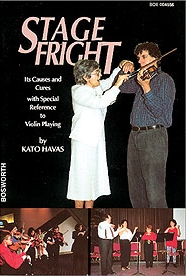 Read the book "Stage fright - Causes and cures", by Kato Havas, and play freely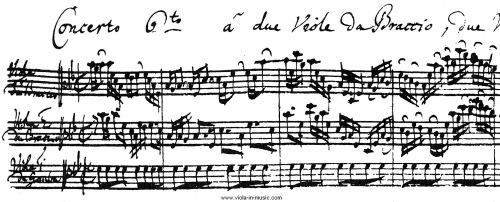
Brandenburg Concerto 6
for 2 violas
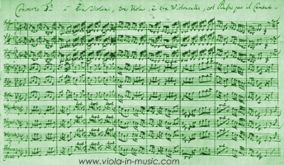
Bach’s Brandenburg Concerto 3 for 3 violins, 3 violas, 3 basses
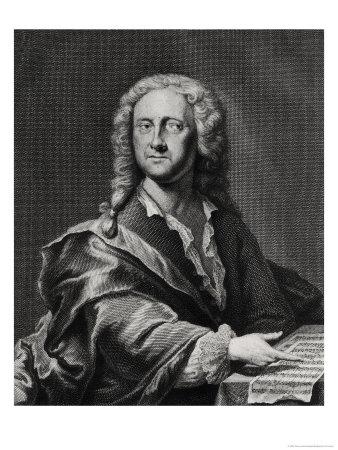
Georg Philipp Telemann
Concerto
for 2 violas
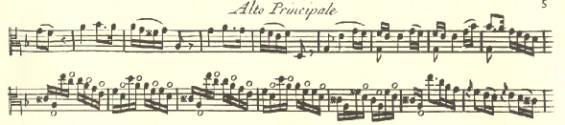
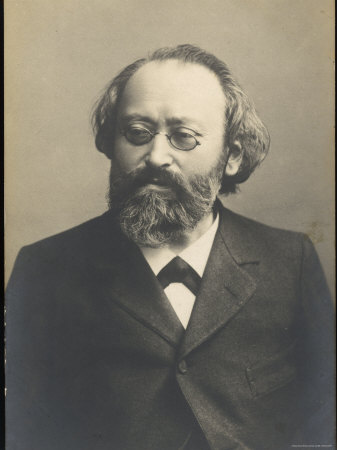
Bruch's Double concerto for viola, clarinet & orchestra
Buy Viola in Music's Collection of 13 famous tunes (19 pages)
£7.99 and download them instantly
They are in their original keys, so you can play them in sessions with other instruments
Jesu, joy of man's desiring
Michael Turner’s waltz (2 versions)
The
greenwood tree
The south wind
Fanny Power
Ye banks and braes
Skye boat song
My Bonnie
My love is
like a red, red rose
Sportsman’s hornpipe
The road to Lisdoonvarna
Danny Boy (Londonderry Air)
Iron legs

Do you like
Viola in Music?
Support it by buying sheet music here

Download Sheet Music
|



New! Comments
Have your say about what you just read! Leave me a comment in the box below.